
160 countries
(and areas)
 - Costa Rica
- Croatia
- Cuba
- Curacao
- Cyprus
- Czech Republic
- Denmark
- Dominica
- Dominican Republic
- Egypt
- El Salvador
- England
- Estonia
- Eswatini (Swaziland)
- Ethiopia
- Fiji
- Finland
- France
- French Guiana
- Georgia
- Germany
- Ghana
- Gibraltar
- Greece
- Grenada
- Guadeloupe
- Guatemala
- Guinee
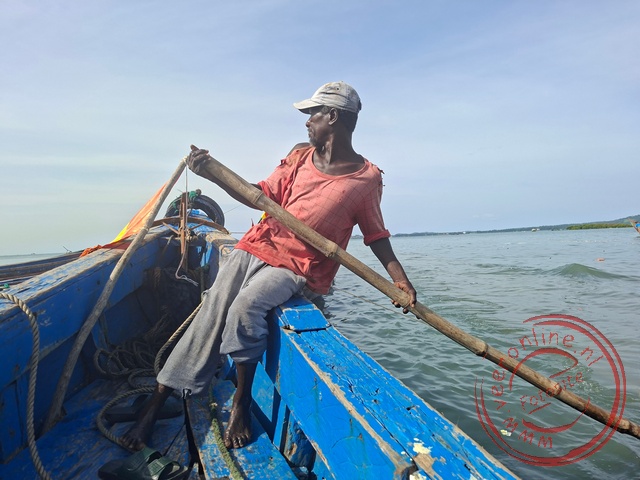
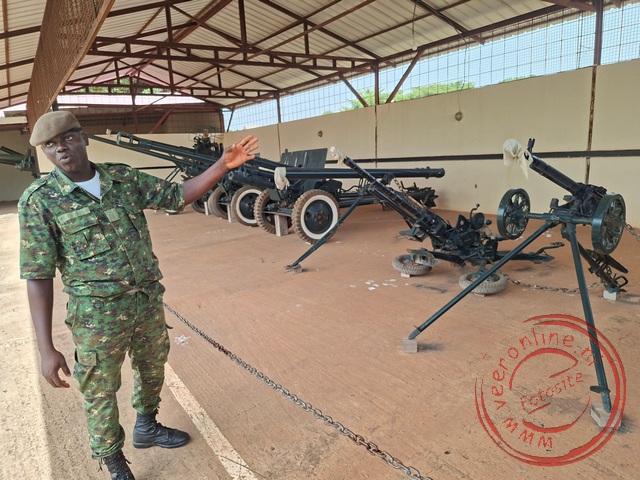
- Guinee-Bissau
- Honduras
- Hong Kong
- Hungary
- Iceland
- India
- Indonesia
- Iran
- Ireland
- Israel
- Italy
- Jamaica
- Japan
- Jordan
- Kazakhstan
- Kenya
- Kosovo
- Kuwait
- Kyrgyzstan
- Laos
- Latvia
- Lebanon
- Lesotho
- Liberia
- Liechtenstein
- Lithuania
- Luxembourg
- Macau
- Madagascar
- Malawi
- Malaysia
- Maldives
- Malta
- Martinique
- Mexico
- Moldova
- Monaco
- Mongolia
- Montenegro
- Morocco
- Mozambique
- Namibia
- Nepal
- Netherlands
- New Zealand
- Nicaragua
- North Macedonia
- Northern Ireland
- Norway
- Oman
- Pakistan
- Palestine
- Peru
- Philippines
- Poland
- Portugal
- Qatar
- Republic of Korea
- Romania
- Russia
- Saint Kitts and Nevis
- Saint Lucia
- Saint Martin
- Saint Vincent and the Grenadines
- San Marino
- São Tomé and Principe
- Saudi Arabia
- Scotland
- Senegal
- Serbia
- Sierra Leone
- Singapore
- Sint Maarten
- Slovakia
- Slovenia
- South Africa
- Spain
- Sri Lanka
- Suriname
- Sweden
- Switzerland
- Tajikistan
- Tanzania
- Thailand
- The Gambia
- Tibet
- Togo
- Transnistria
- Trinidad and Tobago
- Tunisia
- Turkey
- Turkmenistan
- Uganda
- United Arab Emirates
- United States
- Uruguay
- Uzbekistan
- Vatican City
- Vietnam
- Wales
- Zambia
- Zanzibar


Copyright 2004 - 2026
Veeronline.nl Travel Adventures

Home > The Gambia > Roundtrip West Africa > Travelogue day 6
Travelogue Roundtrip West Africa
Oct 15 - Nov 9th, 2026 (26 days)
The Gambia > Exploring Banjul
Dag 6 - Tuesday, 20 October 2026We are staying two nights at the hotel in The Gambia. In daylight, it is even easier to appreciate how beautiful the hotel is. All the rooms face a water feature in which guests can also swim. I am staying on the first floor and have a balcony overlooking the water. Next to the restaurant is the larger swimming pool, which also borders the beach.At half past seven, I head to the breakfast buffet. I order an omelette. The coffee machine is broken. Several people are trying to get it working, but every time I check whether coffee is available, the problem still has not been fixed. Eventually, an alternative jug of coffee is put out.At around half past eight, we leave the African Princess Beach Hotel and drive to the livestock market in Serekunda. Traders mainly sell their cows and goats here. Several men want to know where I come from and, laughing, ask whether I would like to buy a cow. I shake their hands or exchange a fist bump.The goats are curious and seem to think that perhaps my phone is something to eat as well. It is good to see that the animals appear to be treated well.At the edge of the market, alongside the main road, meat is being prepared. The freshly slaughtered animals hang in small wooden stalls. There is no refrigeration whatsoever.From Serekunda, we drive to the capital, Banjul. Banjul is a very small capital, with barely 25,000 inhabitants. It is situated on a peninsula at the mouth of the Gambia River. The surrounding hinterland consists mainly of swampland, leaving little room for further development within Banjul.As we enter the city, we stop briefly at the entrance arch. The 35-metre-high Arch 22 was built in 1996 to commemorate the coup d'état of July 1994.A little further on, we stop at the National Museum. The museum presents the country's history, colonial period, archaeological excavations and musical instruments in a rather amateurish way.I strike up a conversation with the attendant about his cap, which has the word 'Gambia' printed on it. "You don't really need that here, do you?" I ask him. "It's warm enough already!" He has a good laugh.Albert Market is a colourful and lively market in the centre of the capital. Narrow streets are lined with stalls on both sides. The goods on sale range from fish and meat to shoes. Some of the female traders do not want their photographs taken, while others are quite happy to pose.We finish at the souvenir market, where wood carvings are the main items for sale. I buy a Coke and pay with Senegalese money, as I do not have any Gambian dalasi with me.Our final activity in Banjul is a visit to the crocodile pool. The guide there explains that he regularly feeds the crocodiles plenty of fish, so they do not need to hunt for other food. Because they are used to being fed fish, they do not see people as a threat. There is one exception: you must not get too close to their heads, as they may perceive that as threatening.Since the crocodiles are regularly fed, they are quite tame. With the guide's instructions, you can even touch and stroke them. Quite an extraordinary experience!Just after midday, we are back at the hotel. I decide to spend some time in the gym. Bob is the trainer, and while doing the exercises, we have long conversations about The Gambia, the Netherlands and travelling.After half an hour, I swap the gym for the swimming pool and swim a few lengths. When I want to walk down to the sea, I discover that the stones and beach sand are extremely hot. I feel as though my feet are burning. I quickly make my way into the water.The sea is calm and reasonably shallow. It feels wonderful to spend some time in the Atlantic Ocean.On the way back across the beach, the sand seems to burn my feet even more. I quickly step into the shower and then swim across to the other side of the pool. That way, I do not have to walk over the hot stones. In the shade of a parasol, I dry myself off and put my shoes back on. Walking is much more comfortable that way.I retreat to my room for a while.At the end of the afternoon, we drive to a fishing village called xxx. Around sunset, the fishermen return with their catch. The beach is a scene of chaotic activity. The fish are brought ashore in large containers. Some are immediately taken away in wheelbarrows, while others are sold and cleaned right there on the beach.It is incredibly busy. I make my way through the crowds, hardly knowing where to look. There is so much happening all around me. I also try my best not to get in the way when people carrying fish walk past.Some people ask where I come from and welcome me to The Gambia. Sometimes they do this in French. These are Senegalese people. There are also women who absolutely do not want their pictures taken and avoid any contact.It is quite an experience to be here and witness the entire process of handling the fish.We finish our visit at the fish-smoking area. The fish are placed on wire mesh, and the heat from the fires underneath dries them out. This process can take up to three days, Letty explains.Full of impressions, I make my way back to the bus.We drive back to Serekunda and stop at Mango restaurant. I have ordered Chicken Domoda, a typical local dish consisting of rice, chicken and a kind of peanut sauce. It tastes surprisingly good. So far, the local dishes have certainly not disappointed me.Lee also has some good news. My visa for Guinea has come through via the Plan B route. I have it printed out at the reception. What a relief!We get back to the hotel relatively early. I take advantage of this and go to bed at around half past nine.Tomorrow, we will cross the border into Senegal again, on our way to Guinea-Bissau.
 Guinee
 Guinee-Bissau
 Ghana
 Sierra Leone
Travelogue Roundtrip West Africa
Dag 2 | Senegal > Wandering Around Dakar
Dag 3 | Senegal > The Slave Island of Gorée
Dag 4 | Senegal > The Mosque of Touba
Dag 5 | The Gambia > The Stone Circles of Sine Ngayene
Dag 6 | The Gambia > Exploring Banjul
Dag 7 | Senegal > Boat Tour in Ziguinchor
Dag 8 | Guinea-Bissau > The Capital City of Bissau
Dag 9 | Guinea-Bissau > Orango National Park
Dag 10 | Guinea-Bissau > In Search of Saltwater Hippos