
154 countries
(and areas)
 - Azerbaijan
- Bahrain
- Barbados
- Belgium
- Belize
- Benin
- Bhutan
- Bolivia
- Bonaire
- Bosnia and Herzegovina
- Botswana
- Brazil
- British Virgin Islands
- Brunei
- Bulgaria
- Cambodia
- Canada
- Cape Verde
- Chile
- China
- Costa Rica
- Croatia
- Cuba
- Curacao
- Cyprus
- Czech Republic
- Denmark
- Dominica
- Dominican Republic
- Egypt
- El Salvador
- England
- Estonia
- Eswatini (Swaziland)
- Ethiopia
- Fiji
- Finland
- France
- French Guiana
- Georgia
- Germany
- Gibraltar
- Greece
- Grenada
- Guadeloupe
- Guatemala
- Honduras
- Hong Kong
- Hungary
- Iceland
- India
- Indonesia
- Iran
- Ireland
- Israel
- Italy
- Jamaica
- Japan
- Jordan
- Kazakhstan
- Kenya
- Kosovo
- Kuwait
- Kyrgyzstan
- Laos
- Latvia
- Lebanon
- Lesotho
- Liechtenstein
- Lithuania
- Luxembourg
- Macau
- Madagascar
- Malawi
- Malaysia
- Maldives
- Malta
- Martinique
- Mexico
- Moldova
- Monaco
- Mongolia
- Montenegro
- Morocco
- Mozambique
- Namibia
- Nepal
- Netherlands
- New Zealand
- Nicaragua
- North Macedonia
- Northern Ireland
- Norway
- Oman
- Pakistan
- Palestine
- Peru
- Philippines
- Poland
- Portugal
- Qatar
- Republic of Korea
- Romania
- Russia
- Saint Kitts and Nevis
- Saint Lucia
- Saint Martin
- Saint Vincent and the Grenadines
- San Marino
- São Tomé and Principe
- Saudi Arabia
- Scotland
- Senegal
- Serbia
- Singapore
- Sint Maarten
- Slovakia
- Slovenia
- South Africa
- Spain
- Sri Lanka
- Suriname
- Sweden
- Switzerland
- Tajikistan
- Tanzania
- Thailand
- The Gambia
- Tibet
- Togo
- Transnistria
- Trinidad and Tobago
- Tunisia
- Turkey
- Turkmenistan
- Uganda
- United Arab Emirates
- United States
- Uruguay
- Uzbekistan
- Vatican City
- Vietnam
- Wales
- Zambia
- Zanzibar
- Azerbaijan
- Bahrain
- Barbados
- Belgium
- Belize
- Benin
- Bhutan
- Bolivia
- Bonaire
- Bosnia and Herzegovina
- Botswana
- Brazil
- British Virgin Islands
- Brunei
- Bulgaria
- Cambodia
- Canada
- Cape Verde
- Chile
- China
- Costa Rica
- Croatia
- Cuba
- Curacao
- Cyprus
- Czech Republic
- Denmark
- Dominica
- Dominican Republic
- Egypt
- El Salvador
- England
- Estonia
- Eswatini (Swaziland)
- Ethiopia
- Fiji
- Finland
- France
- French Guiana
- Georgia
- Germany
- Gibraltar
- Greece
- Grenada
- Guadeloupe
- Guatemala
- Honduras
- Hong Kong
- Hungary
- Iceland
- India
- Indonesia
- Iran
- Ireland
- Israel
- Italy
- Jamaica
- Japan
- Jordan
- Kazakhstan
- Kenya
- Kosovo
- Kuwait
- Kyrgyzstan
- Laos
- Latvia
- Lebanon
- Lesotho
- Liechtenstein
- Lithuania
- Luxembourg
- Macau
- Madagascar
- Malawi
- Malaysia
- Maldives
- Malta
- Martinique
- Mexico
- Moldova
- Monaco
- Mongolia
- Montenegro
- Morocco
- Mozambique
- Namibia
- Nepal
- Netherlands
- New Zealand
- Nicaragua
- North Macedonia
- Northern Ireland
- Norway
- Oman
- Pakistan
- Palestine
- Peru
- Philippines
- Poland
- Portugal
- Qatar
- Republic of Korea
- Romania
- Russia
- Saint Kitts and Nevis
- Saint Lucia
- Saint Martin
- Saint Vincent and the Grenadines
- San Marino
- São Tomé and Principe
- Saudi Arabia
- Scotland
- Senegal
- Serbia
- Singapore
- Sint Maarten
- Slovakia
- Slovenia
- South Africa
- Spain
- Sri Lanka
- Suriname
- Sweden
- Switzerland
- Tajikistan
- Tanzania
- Thailand
- The Gambia
- Tibet
- Togo
- Transnistria
- Trinidad and Tobago
- Tunisia
- Turkey
- Turkmenistan
- Uganda
- United Arab Emirates
- United States
- Uruguay
- Uzbekistan
- Vatican City
- Vietnam
- Wales
- Zambia
- Zanzibar


Copyright 2004 - 2026
Veeronline.nl Travel Adventures

Home > Belgium > City Trip Ghent > Travelogue day 3
Travelogue City Trip Ghent
October 1517 2021 (3 days)
Belgium > By boat through Ghent
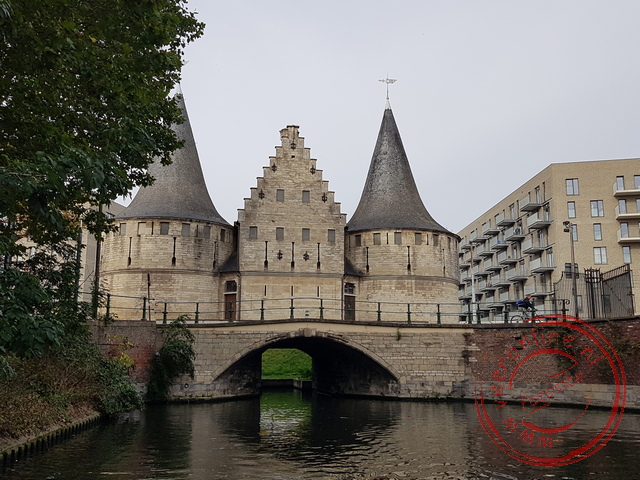
Dag 3 - Sunday, 17 October 2021The last day has already arrived. The mosquitoes left us mostly alone last night. Yesterday’s mosquito hunt was successful. We probably missed one though—there was a little buzzing insect around. We start with a cup of coffee in the room before going to breakfast. At breakfast, it’s much quieter than yesterday, probably because everyone is getting up a bit later. While we enjoy our breakfast, the room gradually fills up. At half past nine, we check out of our room. We’re allowed to leave the car in the parking lot until the afternoon. We want to start the day with a boat tour through the city. The boat companies are not open yet; the skippers are cleaning their boats. The first departure is only in an hour, so we decide to take a walk to the Rabot city gate. On the way, we pass the Carmelite monastery. A service is just starting in the monastery church, so we decide not to go inside. The Saint Elisabeth church, a little further on, used to belong to the Beguinage. The Beguinage, founded in 1234, gradually grew into a small town with no less than 103 beguinage houses. We walk among the mainly white-painted houses. A service is being prepared at the church, giving us the opportunity to briefly admire the beautiful interior. The Rabot gate used to be part of the city wall. Under the gate was a small lock (rabot) for ships. Nowadays, the gate looks somewhat abandoned, situated between a main road and tram tracks. We walk back via the Prinsenhof. Emperor Charles V was born there in 1500. The Dark Gate is the only remaining part of his palace. Although Charles V was born in Ghent, he was not kind to the city. When Ghent could no longer pay the increased taxes, he had seventeen leaders beheaded and stripped the city of many privileges.
After his death, the city largely demolished the palace and other reminders of him. Around eleven o’clock, we return to the boat company. A deafening alarm blares in the harbor. At one of the buildings, no one can turn off the alarm. A man on a ladder tries to silence it with a hammer. He pounds wildly and loses his balance, falling more than three meters down. A collective gasp is heard around us. We can’t see exactly how he is, but the alarm stops immediately afterward. There are also problems with the boats. Drunken youths broke into one of the boats last night and caused damage. The police are there to take a report. We board a different boat. Because of the early hour, there are only six tourists aboard, all Dutch. This gives the skipper a chance to talk more, without switching between languages. It’s nice to see from the water all the buildings we had previously viewed from the shore. The skipper tells about the city in a fun and enthusiastic way. We sail past the castle, the Prinsenhof, and the Rabot gate. The water ends there, so we turn back. After forty minutes, we return to the dock. Although our tickets are for two hours, we decide to walk straight to the Huis van Alijn museum. They let us in early. In this historic house, a collection of twentieth-century objects is displayed. Most items are very recognizable. It’s funny that things from our youth are already in a museum. At the museum café, we order drinks. We can conclude that we have seen a lot of Ghent in the past two days. We have visited practically every highlight on the map.
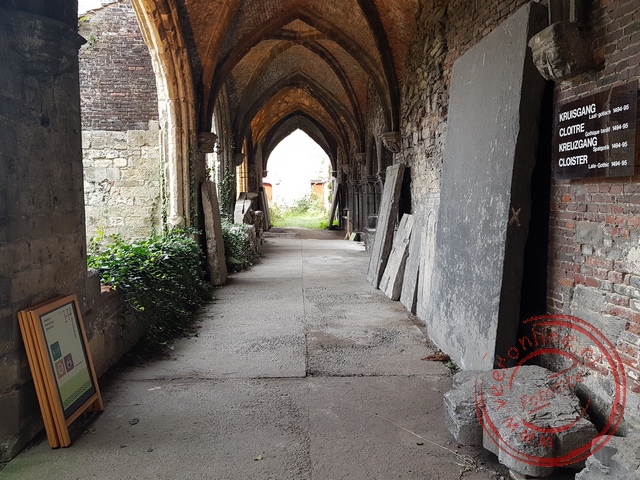
At the Korenmarkt, we order something to eat—a lunch menu with soup and sole fillet. Then we take one last walk through the city. On the east side of the center lies the Saint Bavo Abbey. In revenge for the rebellious city, Emperor Charles V destroyed the monastery church in 1540. The clergy had to move to the Saint John’s Church, today’s Saint Bavo Cathedral. We walk through the ruins of the monastery. Only the refectory, the monastery’s dining hall, is reasonably well preserved. Where once the imposing monastery church stood, conifers now outline the church’s contours. Here we conclude our city trip through Ghent. We walk back to the hotel. When passing Saint Michael’s Church, we find it open and quickly take a look inside. In the seventeenth century, the Westertoren was added. There were plans to build a 123-meter-high tower, but construction stopped due to lack of funds. This turned out to be for the best, as the ground so close to the Leie river isn’t solid enough to support more. The flat tower will always be “only” 24 meters high. At three o’clock, we return to our hotel. We set the navigation for the Netherlands and leave Ghent. The route out of the city is much easier than on the way in. Soon, we merge onto the highway toward Antwerp. It’s Sunday and the roads are quiet. However, the fuel warning light comes on. Planning to stop at the first gas station, we keep driving—but none appear. Just before the Liefkenshoek Tunnel, we decide it’s best to leave the highway. There are no gas stations for the next thirty kilometers, which we probably can’t make. This proves to be a good choice. In an industrial area, we find a gas station and quickly fill up. After that, we drive back to Delft without any further problems.
 Belgium
  Goods were previously transported over the water of the Leie
 Hotel dHaneSteenhuyse is an 18thcentury city palace
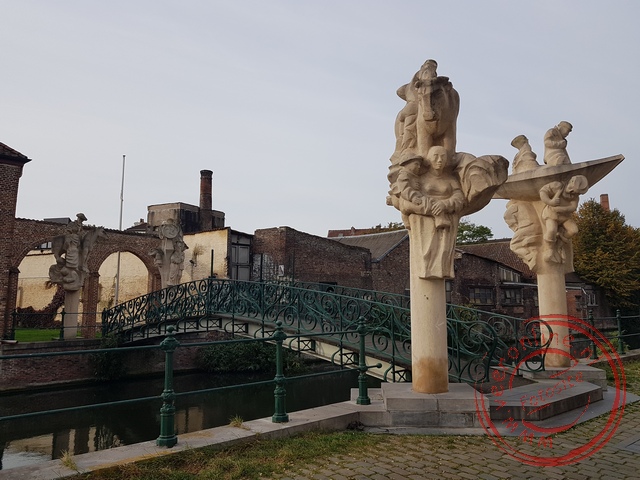 The Emperor Charles Bridge or Bridge of Imperial Pleasures
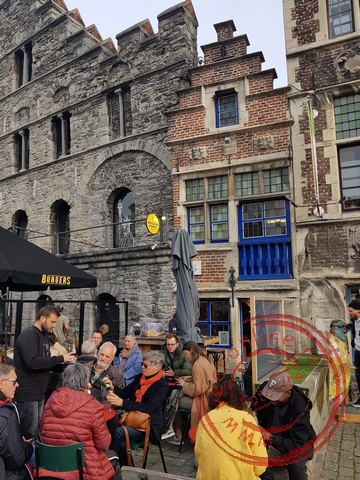 The narrowest house in Ghent is located at the Graslei
Travelogue City Trip Ghent
Dag 2 | Belgium > The Castle of the Counts (Gravensteen)
Dag 3 | Belgium > By boat through Ghent